MP Urges Government to Rethink Winter Session Amid Delhi’s Air Qu
NewsMP Urges Government to Rethink Winter Session Amid Delhi's Air Quality Crisis
Concerns Grow Over Health Risks as Pollution Levels Surge
India, December 4, 2025, Thursday, 2025
India, October 25, 2023, Wednesday, 2023
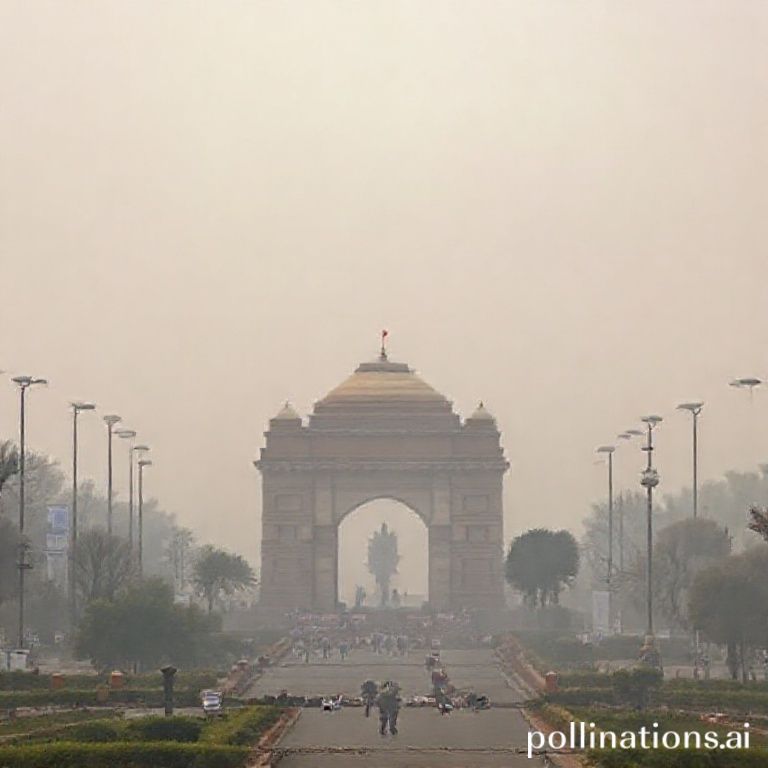
The air quality in Delhi has reached alarming levels, prompting serious discussions among Rajya Sabha members. During a recent session, an MP raised a critical point regarding the timing of the upcoming winter session of Parliament. The suggestion was made to consider relocating the session and various ministries out of the capital due to the hazardous air conditions.
Severe Air Pollution in Delhi
Delhi's air pollution has become a pressing issue, particularly during the winter months. The combination of stubble burning in neighboring states, vehicular emissions, and industrial pollutants contributes to the city's deteriorating air quality. As winter approaches, the situation worsens, leading to what many describe as a "gas chamber" effect.
The MP's remarks reflect growing frustration among lawmakers. They argue that holding the winter session in such conditions poses significant health risks to both parliamentarians and the public. The MP emphasized the need for immediate action, urging the government to prioritize the health and safety of citizens.
Government's Response
In response to these concerns, the Environment Minister acknowledged the severity of the air pollution crisis. He stated that the government is actively working to address the issue. Measures have been implemented to reduce stubble burning, which has shown some success compared to previous years. However, many believe that more aggressive actions are necessary.
The Minister highlighted that the government is collaborating with state authorities to monitor and manage pollution levels. Initiatives include stricter regulations on industrial emissions and promoting cleaner technologies. Despite these efforts, the persistent problem of air quality remains a significant challenge.
Health Implications
The health implications of Delhi's air pollution are alarming. Studies have linked poor air quality to respiratory diseases, cardiovascular issues, and other serious health conditions. Children and the elderly are particularly vulnerable. The rising pollution levels during winter exacerbate these risks, leading to increased hospitalizations and health complications.
Experts warn that the long-term effects of exposure to polluted air can be devastating. They urge the government to take decisive action to protect public health. The call for relocating the winter session is part of a broader demand for urgent measures to combat air pollution.
Public Reaction
The public's reaction to the government's handling of the air quality crisis has been mixed. Many citizens express frustration over the lack of effective solutions. Social media platforms are flooded with comments criticizing the government's response. People are demanding accountability and more transparency regarding pollution management efforts.
Activists and environmental groups have also voiced their concerns. They argue that the government must prioritize environmental protection over economic interests. The ongoing pollution crisis has sparked protests and campaigns aimed at raising awareness about the dangers of poor air quality.
Potential Solutions
Several potential solutions have been proposed to address Delhi's air pollution. One suggestion is to enhance public transportation systems to reduce vehicular emissions. Expanding metro services and promoting electric vehicles could significantly lower pollution levels.
Another approach involves stricter regulations on construction activities. Dust from construction sites contributes to air pollution, and enforcing compliance with environmental standards could mitigate this issue. Additionally, increasing green spaces in urban areas can help improve air quality.
Collaboration with Neighboring States
Addressing air pollution in Delhi requires collaboration with neighboring states. Stubble burning in Punjab and Haryana is a major contributor to the city's pollution levels. The government must engage with these states to implement effective strategies for managing agricultural waste.
Incentives for farmers to adopt alternative practices could reduce the reliance on burning crop residue. Programs that promote sustainable farming techniques may also play a crucial role in tackling this issue.
Long-Term Commitment
Experts emphasize the need for a long-term commitment to improving air quality in Delhi. Short-term measures may provide temporary relief, but sustainable solutions are essential for lasting change. The government must invest in research and development of clean technologies and renewable energy sources.
Public awareness campaigns can also play a vital role in educating citizens about the importance of reducing pollution. Encouraging individuals to adopt eco-friendly practices can contribute to a collective effort to improve air quality.
Legislative Action
The discussion in Parliament highlights the need for legislative action to address air pollution. Lawmakers must prioritize environmental policies that promote clean air initiatives. This includes supporting regulations that limit emissions from industries and vehicles.
The government should also consider establishing a dedicated task force to monitor air quality and implement effective strategies. Regular assessments and updates on pollution levels can help keep the public informed and engaged.
In summary, the air quality crisis in Delhi has sparked urgent discussions among lawmakers. The suggestion to relocate the winter session reflects growing concerns over health risks associated with severe pollution. The government's response, while acknowledging the issue, has been met with skepticism. As the situation continues to evolve, the need for comprehensive solutions becomes increasingly critical.
Source:


