Opposition Criticizes PM Modi as Rupee Falls Below Rs 90 Against D
NewsOpposition Criticizes PM Modi as Rupee Falls Below Rs 90 Against Dollar
Political Leaders Recall Past Remarks Amid Economic Concerns
India, December 3, 2025, Wednesday, 2025
India, October 5, 2023, Thursday, 2023
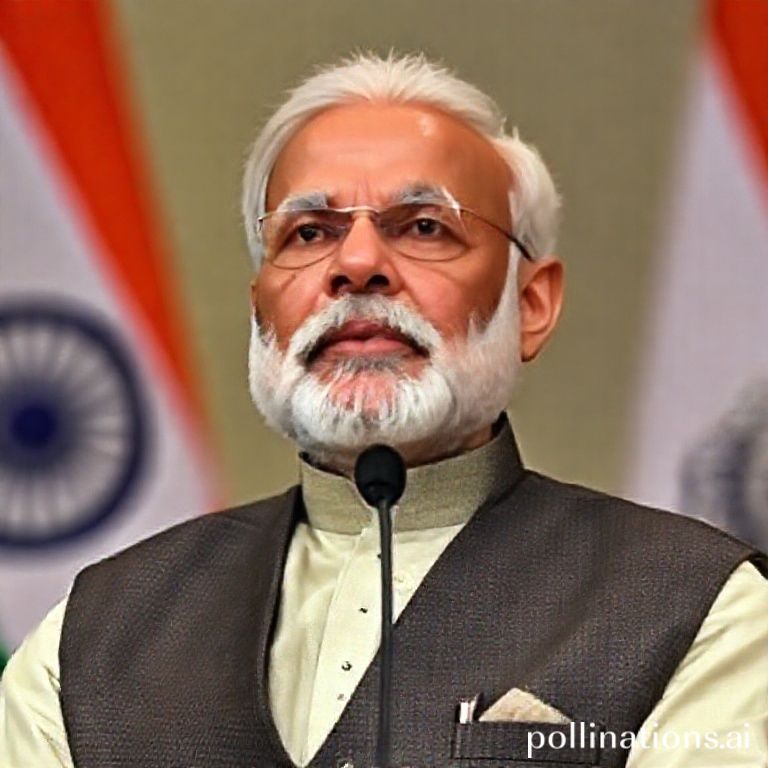
The Indian rupee has recently crossed the alarming threshold of Rs 90 against the US dollar, prompting a wave of criticism from opposition leaders directed at Prime Minister Narendra Modi. This significant depreciation of the currency has reignited discussions about the government's economic policies and their impact on the common citizen.
Political leaders have not hesitated to draw parallels between the current situation and past remarks made by Modi himself. In 2013, during a period of economic turmoil, Modi criticized then-Prime Minister Manmohan Singh for the falling rupee. He famously questioned Singh's leadership, calling him "mute" and "maun" (silent). Now, opposition figures are using those same terms to challenge Modi's silence on the current economic crisis.
Economic Indicators and Concerns
The rupee's decline is not an isolated incident. It reflects broader economic challenges facing India. Inflation rates have surged, and the cost of living has increased significantly. Many citizens are feeling the pinch as essential goods become more expensive. The depreciation of the rupee further exacerbates these issues, making imports costlier and impacting various sectors, including fuel and food.
Experts warn that a weak currency can lead to a vicious cycle of inflation. As the rupee loses value, the purchasing power of consumers diminishes. This situation raises concerns about the government's ability to manage the economy effectively.
Opposition leaders have seized this opportunity to question the Modi administration's economic strategies. They argue that the government's policies have failed to stabilize the currency and protect the interests of ordinary citizens.
Political Reactions
Prominent opposition figures have taken to social media and public forums to voice their discontent. Congress leader Rahul Gandhi has been vocal in his criticism, stating that the government's mismanagement has led to the current crisis. He emphasized the need for accountability and transparency in economic governance.
Other opposition parties, including the Trinamool Congress and the Aam Aadmi Party, have echoed these sentiments. They argue that the Modi government has prioritized political gains over economic stability. They call for immediate action to address the falling rupee and rising inflation.
The Bharatiya Janata Party (BJP) has responded to these criticisms by defending its economic policies. Party leaders argue that global factors, such as geopolitical tensions and fluctuations in oil prices, have contributed to the rupee's decline. They urge the public to consider the broader context rather than attributing blame solely to the government.
Public Sentiment
The public's reaction to the rupee's decline has been mixed. Many citizens express frustration and anxiety about their financial futures. The rising cost of essential goods has led to increased dissatisfaction with the government's handling of the economy.
Some citizens have taken to social media to share their experiences. They highlight how the falling rupee has affected their daily lives, from increased grocery bills to higher transportation costs. This growing discontent could have implications for the ruling party as the next elections approach.
Economic Analysts Weigh In
Economic analysts are closely monitoring the situation. They emphasize that the rupee's decline is a symptom of deeper structural issues within the Indian economy. Factors such as high inflation, low foreign investment, and trade imbalances are contributing to the currency's instability.
Analysts suggest that the government needs to implement comprehensive reforms to restore confidence in the economy. This includes addressing inflation, improving the ease of doing business, and attracting foreign investment. Without these measures, the rupee may continue to face downward pressure.
The Role of the Reserve Bank of India
The Reserve Bank of India (RBI) plays a crucial role in managing the currency and stabilizing the economy. As the rupee continues to weaken, the RBI may need to intervene. This could involve adjusting interest rates or implementing measures to support the currency.
Market experts are watching the RBI's actions closely. They believe that decisive measures are necessary to prevent further depreciation of the rupee. The central bank's credibility is at stake, and its decisions will significantly impact the economy's trajectory.
International Reactions
The international community is also paying attention to India's economic situation. Investors are cautious, and the falling rupee may deter foreign investment. Global markets are interconnected, and a weak Indian currency could have ripple effects on international trade and investment flows.
Countries that have significant trade relations with India are monitoring the situation. They may adjust their strategies based on the rupee's performance. This could impact various sectors, including technology, pharmaceuticals, and manufacturing.
Looking Ahead
As the political landscape heats up, the opposition is likely to continue leveraging the rupee's decline to challenge the Modi government. The upcoming elections will serve as a critical test for the ruling party. Voter sentiment will be influenced by economic conditions, and the government must address these issues to maintain public support.
The economic challenges facing India are complex and multifaceted. The falling rupee is just one aspect of a broader economic narrative. As political leaders engage in debates and discussions, the focus will remain on finding solutions to stabilize the currency and improve the lives of ordinary citizens.
In the coming weeks, the government's response to the economic crisis will be closely scrutinized. The actions taken by the Modi administration will determine the political landscape and the future of the Indian economy.
Source:


