Controversy Erupts Over AI Video of PM Modi as Tea Seller
NewsControversy Erupts Over AI Video of PM Modi as Tea Seller
Congress and BJP Clash Over AI-Generated Clip
India, December 3, 2025, Wednesday, 2025
India, October 25, 2023, Wednesday, 2023
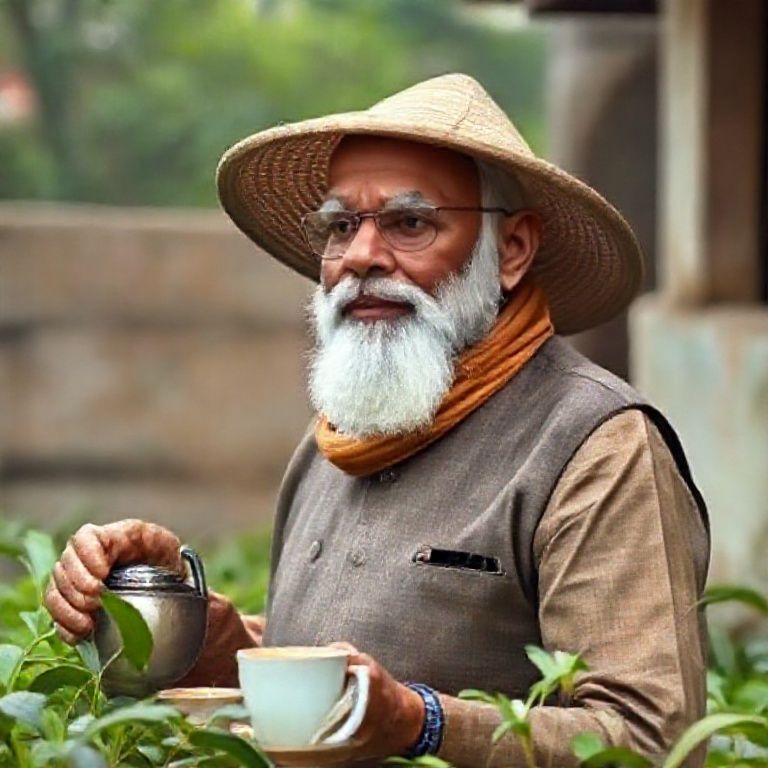
A recent incident involving an AI-generated video has sparked significant controversy in Indian politics. Congress spokesperson Ragini Nayak shared a clip that depicts Prime Minister Narendra Modi as a "chaiwala" at an international summit. This portrayal references Modi's early life as a tea seller, a narrative he has often highlighted in his political journey. However, the video has ignited a fierce backlash from the Bharatiya Janata Party (BJP).
The AI-generated video shows Modi serving tea to world leaders on a red carpet. The clip aims to satirize the Prime Minister's humble beginnings. Nayak's intention appears to be to draw attention to Modi's past while juxtaposing it with his current status as the leader of the world's largest democracy. However, the BJP quickly condemned the video, accusing the Congress party of disrespecting Modi's background.
BJP leaders expressed outrage, arguing that the video mocks a hardworking prime minister who has risen from modest origins. They emphasized that Modi's journey is a source of inspiration for many in India. The BJP's response highlights the sensitivity surrounding Modi's identity as a "kaamdar" or working-class leader.
The clash between the two parties underscores the ongoing political rivalry in India. The Congress party has often criticized Modi's policies and governance style. In contrast, the BJP has consistently defended Modi's leadership, portraying him as a symbol of progress and development. This incident adds another layer to the already heated political discourse.
Political analysts suggest that the use of AI-generated content in political campaigns could become more prevalent. As technology advances, parties may increasingly rely on such tools to create impactful narratives. However, the ethical implications of using AI in this manner remain a topic of debate. Critics argue that it can lead to misinformation and further polarization among voters.
The Congress party's decision to share the video reflects a broader strategy to connect with younger voters. Many young Indians are familiar with digital media and may find such content engaging. However, the backlash from the BJP indicates that this approach can backfire, especially when it touches on sensitive issues like identity and class.
In response to the controversy, Nayak defended the video, stating that it was meant to highlight the Prime Minister's roots. She argued that acknowledging one's background should not be a source of shame. Nayak emphasized that the Congress party aims to challenge the narrative that Modi has built around his image.
The BJP's counterarguments focus on the importance of respecting leaders, regardless of their origins. They assert that mocking Modi's past undermines the dignity of public office. BJP spokespersons have called for a more respectful political discourse, urging the Congress party to refrain from using derogatory tactics.
This incident is not the first time Modi's background has been a focal point in political debates. His rise from a tea seller to Prime Minister has been a central theme in his political narrative. Supporters often cite this journey as evidence of his relatability and connection to the common man. Conversely, opponents have used it to question his policies and governance.
The use of AI in political messaging raises questions about authenticity. Voters may struggle to discern what is real and what is fabricated. As political parties explore new technologies, the potential for manipulation increases. This situation calls for greater scrutiny of the content being shared in the political arena.
The Congress party's strategy may resonate with some voters, but it risks alienating others. The BJP's strong reaction indicates that Modi's image is a sensitive topic. The Prime Minister's supporters are likely to rally around him, viewing the video as an attack on their leader. This could further solidify Modi's base as they perceive the Congress party's actions as disrespectful.
As the political landscape evolves, the role of social media and digital content will continue to grow. Political parties must navigate this terrain carefully. The potential for backlash is significant, especially when content touches on personal identities and backgrounds.
The controversy surrounding the AI-generated video serves as a reminder of the complexities of modern political communication. As parties adapt to new technologies, they must also consider the implications of their messaging. The line between satire and disrespect can be thin, and missteps can lead to significant political fallout.
In the coming days, it will be interesting to observe how this incident influences the ongoing political discourse. The Congress party may face pressure to clarify its stance on the video. Meanwhile, the BJP will likely continue to leverage this controversy to reinforce its narrative of respect for leaders and their journeys.
The political rivalry between the Congress and BJP shows no signs of abating. As both parties prepare for future elections, incidents like this will shape their strategies. The use of AI-generated content may become a double-edged sword, offering opportunities for engagement while also posing risks of backlash.
In summary, the AI video depicting PM Modi as a tea seller has ignited a fierce political debate. The Congress party's intentions may have been to highlight Modi's roots, but the backlash from the BJP underscores the sensitivity of such portrayals. As political communication evolves, the implications of using technology in campaigns will continue to be a critical area of focus.
Source:


