Surge in Acute Respiratory Cases Linked to Delhi Air Pollution
NewsSurge in Acute Respiratory Cases Linked to Delhi Air Pollution
Over 200,000 reported cases raise health concerns in the capital
India, December 3, 2025, Wednesday, 2025
India, October 25, 2023, Wednesday, 2023
In recent years, Delhi has witnessed a troubling increase in acute respiratory illnesses. Between 2022 and 2024, hospitals in the capital reported over 200,000 cases. This surge has led to a significant rise in hospital admissions, raising alarms among health officials and the public alike. The Health Ministry has identified air pollution as a major contributing factor to this health crisis.
Rising Pollution Levels
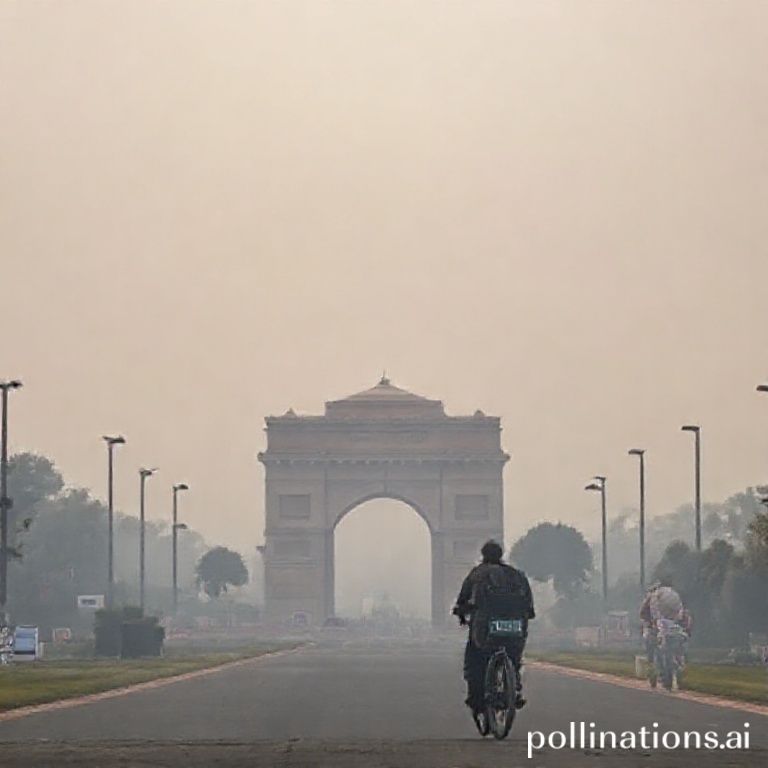
Delhi's air quality has long been a concern. The city frequently ranks among the most polluted in the world. Factors such as vehicular emissions, industrial discharges, and construction dust contribute to the deteriorating air quality. The onset of winter exacerbates the situation, as weather conditions trap pollutants close to the ground. This year, the situation appears particularly dire, with pollution levels reaching alarming heights.
The Health Ministry's assessment highlights the direct correlation between air quality and respiratory health. Officials have noted that the increase in acute respiratory cases coincides with spikes in pollution levels. This connection underscores the urgent need for effective measures to combat air pollution in the capital.
Impact on Vulnerable Populations
Children and the elderly are especially vulnerable to the effects of poor air quality. Hospitals have reported a significant number of admissions among these groups. Children, with their developing lungs, are at a higher risk of respiratory issues. Similarly, older adults often have pre-existing health conditions that can be aggravated by polluted air.
Health experts emphasize the importance of protecting these vulnerable populations. They recommend that parents keep children indoors during high pollution days and that elderly individuals avoid outdoor activities when air quality is poor. Such precautions can help mitigate the health risks associated with acute respiratory illnesses.
Hospital Preparedness
The surge in cases has put immense pressure on hospitals in Delhi. Medical facilities are experiencing an influx of patients seeking treatment for respiratory issues. Hospitals have ramped up their preparedness to handle the increased demand. This includes ensuring adequate supplies of medications and respiratory support equipment.
Healthcare professionals are also focusing on public awareness campaigns. They aim to educate residents about the dangers of air pollution and the importance of seeking medical attention for respiratory symptoms. Early intervention can significantly improve health outcomes for those affected.
Government Response
In response to the rising health crisis, the government is taking steps to address air pollution. Initiatives include stricter regulations on emissions from vehicles and industries. The government is also promoting the use of public transportation to reduce the number of vehicles on the road.
Additionally, the authorities are investing in green spaces and tree planting initiatives. These efforts aim to improve air quality and provide residents with cleaner environments. However, experts argue that more aggressive measures are needed to tackle the root causes of pollution effectively.
Public Awareness and Action
Public awareness plays a crucial role in addressing the health impacts of air pollution. Community organizations and health advocates are working to inform residents about the risks associated with poor air quality. They encourage individuals to monitor air quality indices and take necessary precautions.
Moreover, citizens are urged to participate in local initiatives aimed at reducing pollution. Simple actions, such as carpooling, using public transport, and reducing waste, can collectively make a significant difference. Engaging in community clean-up drives can also help improve local environments.
The Role of Technology
Technology is becoming an essential tool in the fight against air pollution. Mobile applications now provide real-time air quality updates, allowing residents to make informed decisions about outdoor activities. These apps can alert users to high pollution levels, prompting them to stay indoors when necessary.
Furthermore, advancements in air purification technology are gaining traction. Many households are investing in air purifiers to improve indoor air quality. These devices can significantly reduce airborne pollutants, providing a safer environment for families, especially during peak pollution seasons.
Long-term Solutions
While immediate actions are crucial, long-term solutions are necessary to combat air pollution effectively. Urban planning plays a vital role in creating sustainable cities. Authorities must prioritize green infrastructure, such as parks and green roofs, to enhance air quality.
Additionally, transitioning to renewable energy sources can significantly reduce emissions. The government is exploring options for solar and wind energy to decrease reliance on fossil fuels. Such initiatives not only benefit air quality but also contribute to a healthier planet.
Collaboration is key in addressing this multifaceted issue. Government agencies, non-profit organizations, and the private sector must work together to implement effective strategies. By pooling resources and expertise, they can create a comprehensive approach to tackling air pollution.
The Future of Air Quality in Delhi
As Delhi grapples with the health impacts of air pollution, the future remains uncertain. The rising number of acute respiratory cases serves as a wake-up call for residents and officials alike. Immediate action is necessary to protect public health and improve air quality.
The ongoing efforts to raise awareness and implement solutions are steps in the right direction. However, sustained commitment from all stakeholders is essential. Only through collective action can Delhi hope to overcome its air quality challenges and safeguard the health of its residents.
Source:


