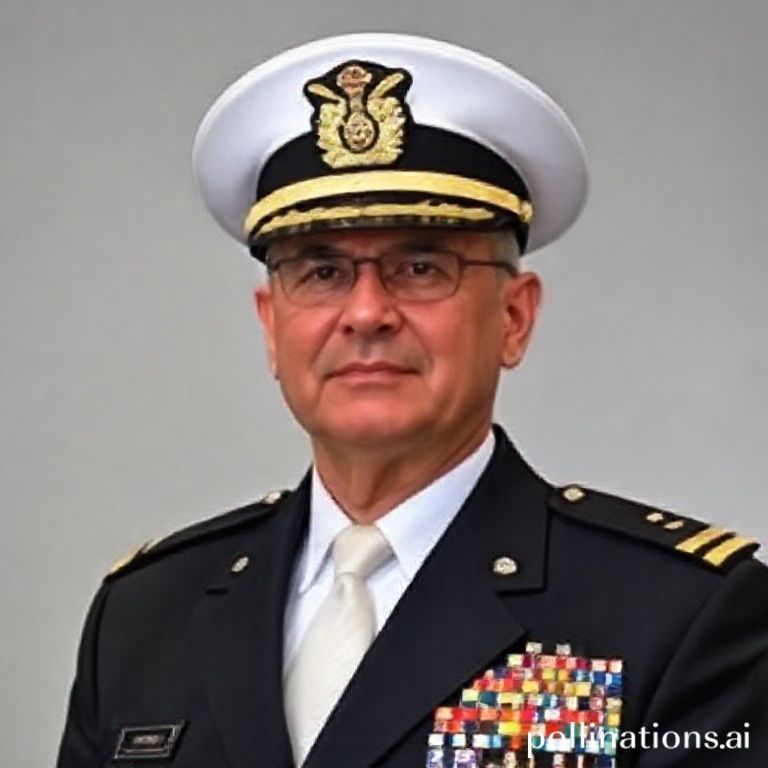
Navy Chief Discusses Operation Sindoor and Upcoming Submarine Comm
NewsNavy Chief Discusses Operation Sindoor and Upcoming Submarine Commissioning
Admiral Dinesh K Tripathi Highlights Naval Readiness and Strategic Operations
India, December 2, 2025, Tuesday, 2025
India, October 12, 2023, Thursday, 2023
The Indian Navy is poised for significant advancements with the imminent commissioning of its third indigenous nuclear-powered submarine. This announcement comes from Navy Chief Admiral Dinesh K Tripathi, who emphasized the strategic importance of this development. The submarine represents a leap in India's maritime capabilities, enhancing the Navy's operational readiness.
Operation Sindoor has been a focal point of the Navy's recent activities. Admiral Tripathi elaborated on how this operation has effectively constrained Pakistan's naval forces. The aggressive stance taken by the Indian Navy during this operation has compelled Pakistani ships to remain close to their own coast. This strategic maneuvering underscores India's commitment to maintaining maritime security in the region.
The Navy has engaged in extensive operations over the past year. These operations have included continuous anti-piracy duties, which are crucial for safeguarding vital shipping lanes. The Indian Navy has also logged significant ship and flying hours, demonstrating its readiness to respond to any maritime threats.
Strengthening Naval Capabilities
The commissioning of the new submarine marks a critical enhancement of India's naval capabilities. This submarine is equipped with advanced technology, allowing for greater stealth and operational efficiency. The Navy's focus on indigenous development reflects a broader strategy to bolster self-reliance in defense manufacturing.
Admiral Tripathi noted that the submarine's capabilities will significantly contribute to India's deterrence posture. It will enable the Navy to conduct a variety of missions, including surveillance, reconnaissance, and strike operations. The integration of such advanced platforms into the fleet is expected to enhance India's maritime dominance.
Operational Readiness and Training
The Indian Navy has prioritized operational readiness through rigorous training programs. Admiral Tripathi highlighted the importance of continuous training for personnel. This ensures that sailors are well-prepared to operate sophisticated equipment and respond effectively to evolving threats.
The Navy has also increased its participation in joint exercises with other nations. These exercises enhance interoperability and strengthen partnerships with friendly navies. They provide valuable opportunities for sharing best practices and improving tactical proficiency.
Anti-Piracy Operations
Anti-piracy operations remain a cornerstone of the Navy's mission. The Indian Navy has been actively involved in patrolling key maritime routes, particularly in the Gulf of Aden. These operations are vital for ensuring the safety of commercial shipping and maintaining freedom of navigation.
Admiral Tripathi emphasized the Navy's commitment to combating piracy. The presence of Indian naval vessels in these waters has deterred potential threats and provided reassurance to merchant vessels. The Navy's proactive approach has garnered international recognition and support.
Strategic Maritime Presence
The Indian Navy's strategic maritime presence has been a key factor in regional stability. Admiral Tripathi pointed out that the Navy's operations are not limited to the Indian Ocean. The Navy has expanded its reach, conducting missions in the South China Sea and beyond.
This expanded presence serves multiple purposes. It allows India to assert its influence in critical maritime regions and safeguard its interests. Additionally, it fosters cooperation with other nations in addressing common security challenges.
Future Challenges
Despite the advancements, the Indian Navy faces several challenges. Admiral Tripathi acknowledged the need to address emerging threats in the maritime domain. These include advancements in technology and the evolving nature of naval warfare.
The Navy is actively working to adapt to these challenges. This includes investing in new technologies and enhancing cyber capabilities. The focus is on ensuring that the Navy remains agile and responsive to any potential threats.
Collaboration with Industry
The Indian Navy is also fostering collaboration with the defense industry. This partnership aims to enhance indigenous production capabilities. By working closely with private and public sector entities, the Navy seeks to accelerate the development of advanced naval platforms.
Admiral Tripathi highlighted the importance of innovation in defense. The Navy is encouraging research and development initiatives that can lead to breakthroughs in naval technology. This collaborative approach is expected to yield significant benefits for India's defense ecosystem.
Conclusion
The Indian Navy is at a pivotal moment in its evolution. With the upcoming commissioning of its third indigenous nuclear-powered submarine and the successful execution of Operation Sindoor, the Navy is demonstrating its commitment to national security. Admiral Dinesh K Tripathi's leadership is steering the Navy towards a future marked by enhanced capabilities and strategic readiness.
Source:


