Rohini Acharya Criticizes Journalist’s Remarks on Married Daughte
NewsRohini Acharya Criticizes Journalist's Remarks on Married Daughters
Daughter of Lalu Prasad Defends Family Values and Kidney Donation
India, November 19, 2025, Wednesday, 2025
India, October 10, 2023, Tuesday, 2023
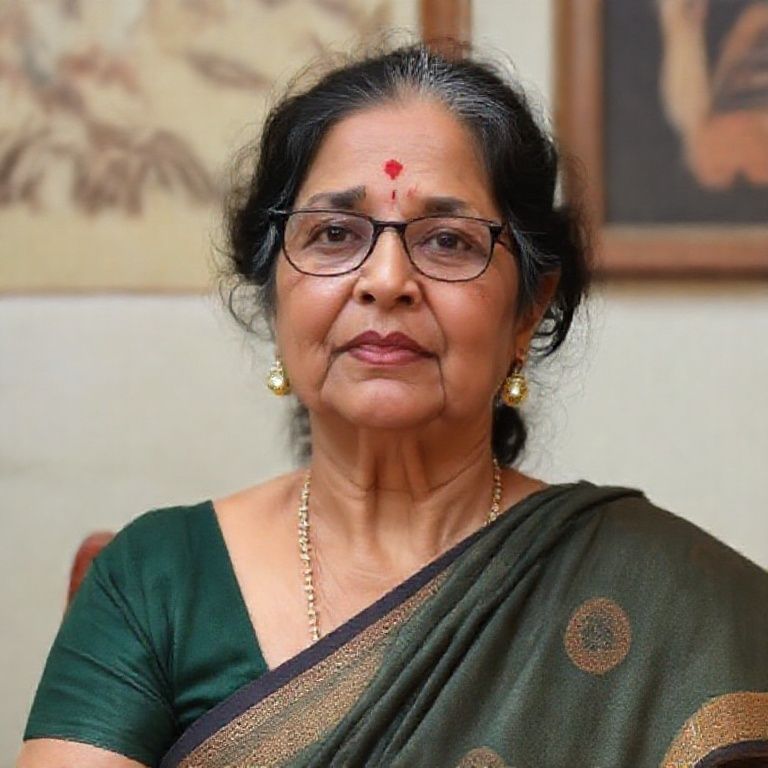
Rohini Acharya, the daughter of prominent Indian politician Lalu Prasad Yadav, has recently made headlines for her strong response to a journalist's controversial remarks regarding married daughters. The comments, which suggested that married daughters should not spend excessive time at their parents' homes, sparked a significant backlash. Acharya did not hold back in her criticism, emphasizing the importance of family bonds and the role of daughters in their parents' lives.
The Incident
The incident unfolded during a media interaction where the journalist made the statement about married daughters. This remark quickly drew attention and raised eyebrows among many, including Acharya. In a video that has since gone viral, she expressed her discontent with the notion that married women should limit their visits to their parental homes.
Acharya articulated her belief that family ties should remain strong, regardless of marital status. She pointed out that daughters, whether married or single, have a right to maintain close relationships with their parents. Her passionate defense resonated with many viewers, who shared her sentiments on social media platforms.
Criticism of Kidney Donation Accusations
In addition to addressing the journalist's comments, Rohini Acharya also confronted accusations regarding her kidney donation to her father, Lalu Prasad. Some critics have suggested that she profited from this act of generosity. Acharya firmly rejected these claims, stating that her decision to donate a kidney was driven by love and care for her father, not for personal gain.
She urged those who criticize her to consider their own actions. "If you have a problem with my donation, why not donate yourself?" she challenged. This statement highlights her frustration with the negativity surrounding her family's situation. Acharya's response reflects a broader issue of public scrutiny faced by individuals in the political arena.
Family Values and Cultural Context
Acharya's remarks touch on deeper cultural values within Indian society. The relationship between parents and daughters is often viewed through a traditional lens, where daughters are expected to maintain strong ties with their families, even after marriage. This cultural expectation can clash with modern perspectives on independence and personal space.
By defending the role of married daughters, Acharya is advocating for a balance between tradition and modernity. She emphasizes that family connections should not be diminished by marriage. This perspective resonates with many who believe that familial love and support are essential, regardless of marital status.
Public Reaction
The public response to Acharya's statements has been overwhelmingly supportive. Many social media users have praised her for standing up against outdated notions regarding married women. The video of her remarks has garnered thousands of views, with comments applauding her courage and clarity.
Supporters argue that Acharya's stance reflects a progressive view that challenges societal norms. They appreciate her willingness to speak out on behalf of married daughters who may feel pressured to conform to traditional expectations. This incident has sparked a broader conversation about women's rights and family dynamics in contemporary India.
Media Responsibility
The incident also raises questions about the responsibility of journalists and media outlets. Comments made by public figures can have significant implications, and journalists must be mindful of the impact their words can have on societal attitudes. Acharya's response serves as a reminder that media narratives can shape public perception, and it is crucial to approach sensitive topics with care.
As discussions around gender roles and family values continue to evolve, the media plays a pivotal role in shaping these conversations. Responsible reporting can foster understanding and promote positive change, while careless remarks can perpetuate harmful stereotypes.
Rohini Acharya's bold response to the journalist's comments highlights the ongoing struggle for women's rights and the importance of family connections. Her advocacy for married daughters and her defense of her kidney donation reflect a commitment to challenging societal norms and promoting a more inclusive dialogue.
In a rapidly changing world, voices like Acharya's are essential in pushing for progress. Her willingness to confront criticism and advocate for family values resonates with many, encouraging a reevaluation of traditional beliefs. As society continues to navigate these complex issues, the conversations sparked by this incident will likely persist, influencing future discussions on gender and family dynamics in India.
The dialogue surrounding married daughters and their roles within families is far from over. Rohini Acharya's passionate defense serves as a catalyst for change, inspiring others to speak out and challenge outdated perceptions. The impact of her words will likely extend beyond this incident, contributing to a broader movement advocating for women's rights and family unity in India.
Source:


