OpenAI CEO Sam Altman Says “Slack Creates a Lot of Fake Work”; Elo
News THE ECONOMIC TIMES, livelaw.in, LAW, LAWYERS NEAR ME, LAWYERS NEAR BY ME, LIVE LAW, THE TIMES OF INDIA, HINDUSTAN TIMES, the indian express, LIVE LAW .INSan Francisco, Nov 10, 2025, Monday
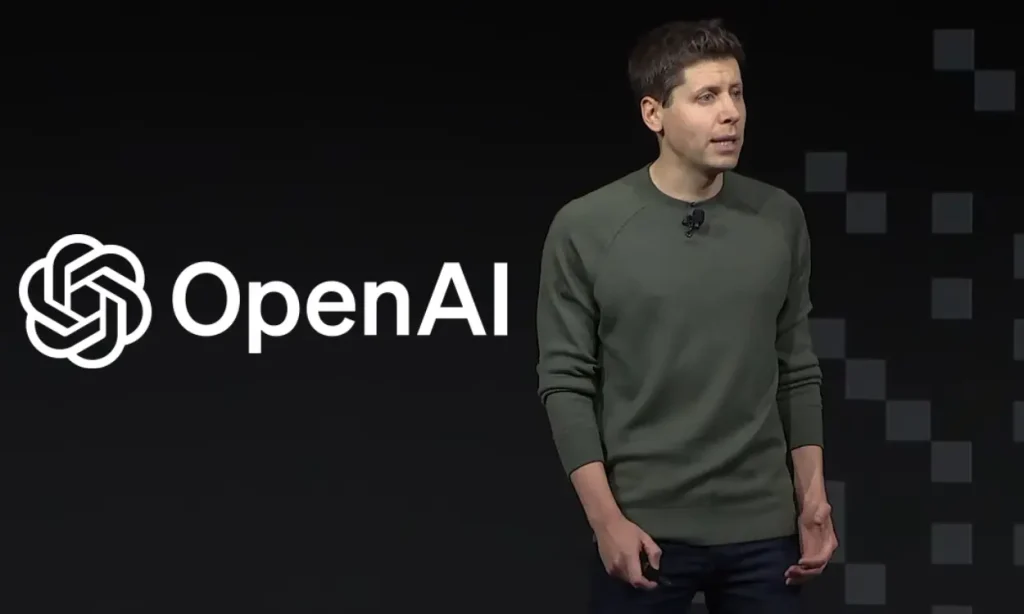
In a far-reaching comment that sparked industry debate, Sam Altman, CEO of OpenAI, asserted that platforms like Slack generate “a lot of fake work,” saying they embody inefficient workflows ripe for disruption. His remarks triggered a sharp, public response from Elon Musk, who seemed to take them as vindication of his long-standing critique of enterprise tools and their impact on productivity.
Altman’s Claim: Productivity Tools Gone Wrong
In a video clip that quickly went viral, Altman acknowledged the utility of collaborative platforms such as Slack, Google Docs, email and PowerPoint — yet he argued that they equally enable a hollow version of “work” that produces little meaningful output. He suggested the next phase of workplace evolution will see AI-driven systems supplanting these legacy tools. According to his view, the constant barrage of messages, reactions and status updates enabled by these platforms often substitutes appearance of activity for real progress.
Altman’s critique touches on an increasingly common concern in tech circles: that digital tools designed to boost productivity may paradoxically drive inefficiencies by proliferating context switching, notifications, redundant collaboration and meta-work (work about work rather than direct output).
Musk’s Response: “As I Was Saying…”
Musk, who co-founded OpenAI (though now more focused on ventures such as xAI and Tesla), jumped into the conversation by posting a succinct remark: “As I was saying…” highlighting that Altman’s observations dovetail with Musk’s own long-heard criticisms of modern enterprise software and the “illusion of productivity”. He also suggested that OpenAI will be “competing directly” with Microsoft — a nod to the broader competitive landscape in which Microsoft has invested in Slack-competitor tools and platforms. The Times of India
Why This Matters
1. Workplace culture shift – The suggestion that tools designed for collaboration may instead be fueling “fake work” signals a growing reckoning among executives about how digital workflows are structured.
2. AI as a disruptor of legacy productivity stacks – Altman’s comments frame AI not just as a productivity enhancer, but as a structural replacement for entire work-platform ecosystems.
3. Competitive implications – With Musk explicitly referencing competition with Microsoft, the remarks underscore how productivity-software dynamics are now deeply intertwined with the AI-arms-race among major tech players.
4. End-user fatigue and real output – For knowledge workers, the idea resonates: endless messaging, meetings and shared docs may feel busy but not always meaningful. The commentary shines a spotlight on the gap between “being busy” and “producing value”.
Key Takeaways
- Altman believes the current collaboration-tool ecosystem enables busy-work rather than output-oriented work.
- Musk interprets Altman’s remarks as affirmation of his own criticisms and signals OpenAI’s competitive posture in the enterprise-productivity arena.
- The broader tech industry may view this as the beginning of a transition away from traditional productivity suites toward integrated, AI-driven work systems.
- For organisations and individuals: the critique invites reflection on whether your workflows are enabling high-impact work or merely maintaining the appearance of business.
Source:


