Israel’s Military Signals Cease-fire Is Back On After Killing 104
News THE ECONOMIC TIMES, livelaw.in, LAW, LAWYERS NEAR ME, LAWYERS NEAR BY ME, LIVE LAW, THE TIMES OF INDIA, HINDUSTAN TIMES, the indian express, LIVE LAW .IN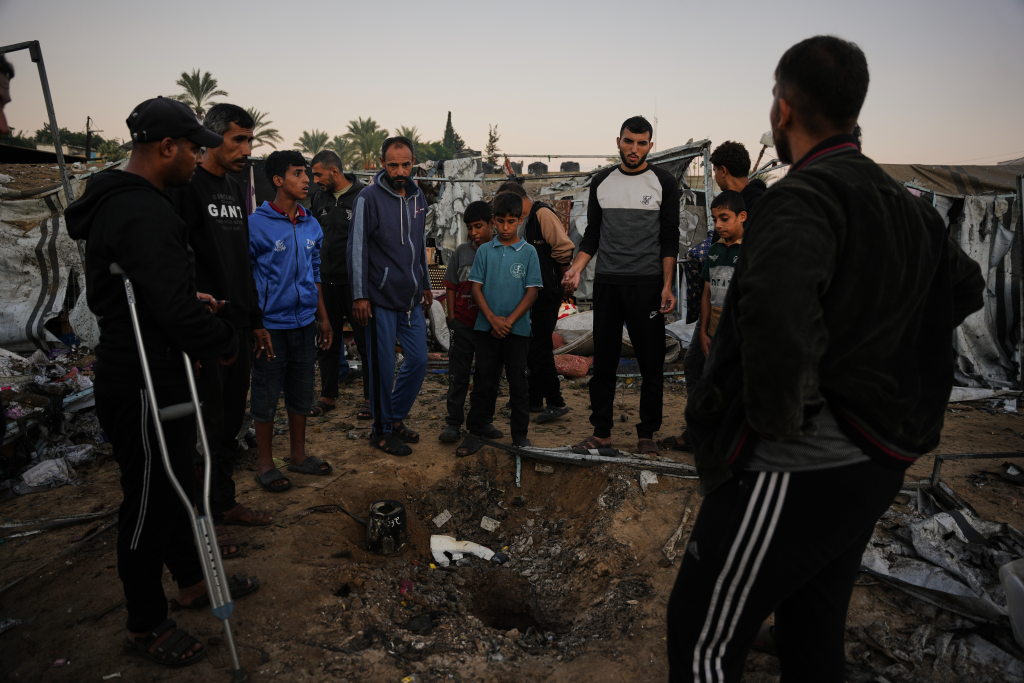
A wave of air-strikes that killed 104 Palestinians, including dozens of children, the Israel Defence Forces (IDF) declared the fragile truce with Hamas restored — but the underlying tensions now threaten to unravel the agreement.
Gaza
The fragile cease-fire between Israel and Hamas appeared to resume Sunday after a deadly surge in violence. Israeli forces carried out extensive air-strikes overnight across the Gaza Strip. The Palestinian Health Ministry, run by Hamas, reported 104 people killed and over 250 wounded, many of them women and children.
In a statement early Monday, the Israeli military announced that it had “renewed enforcement of the cease-fire”, even after admitting to the strikes. The IDF said it responded to what it described as serious violations by Hamas — including the killing of an Israeli soldier in the Rafah area and the movement of weapons inside Gaza.
What sparked the violence
According to Israeli officials, the escalation began when an Israeli soldier died in southern Gaza. Israel accused Hamas of either firing or directing that attack, a claim Hamas denies. In retaliation, Israel launched strikes that it says targeted dozens of Hamas militants, observation posts, weapons depots and tunnels.
The Palestinian side says the victims are overwhelmingly civilians. At least 46 of the dead identified were children, and hospital staff in Gaza reported that many bodies arrived burned or with signs of heavy explosive impact.
Cease-fire restored — but tense
Despite the casualties, Israel says the cease-fire is back on. The IDF stated it would resume active monitoring and would strike if it detected further violations. Hamas, meanwhile, asserted it remains committed to the truce while condemning Israel’s actions as a violation.
The U.S. and other mediators such as Qatar and Egypt urged both sides to stick to the agreement and warned that the cease-fire sits on a razor’s edge.
Why the truce is under threat
The cease-fire began earlier this month under U.S.-led mediation, intending to pause hostilities, allow aid into Gaza and build momentum for longer-term peace. However, frequent violations, delayed hostage releases and mutual accusations have rapidly corroded trust.
Analysts warn this latest strike — the deadliest single day since the deal began — could spark a full breakdown if unchecked. A peace that remains conditional and reactive is less stable than one built on commitments and verification.
Humanitarian and political fallout
Hospitals in Gaza are flooded. One director at Shifa Hospital said dozens of critically wounded children arrived overnight, with limited access to surgery or intensive care.
On the Israeli side, political pressure is mounting. Prime Minister Benjamin Netanyahu’s government faces hard-line voices demanding the truce be voided unless Hamas fully disarms and releases all hostages. Meanwhile, Palestinians see the cease-fire as another fragile pause rather than a path to normalcy.
What happens next
– Monitoring by third-party observers remains key. Without on-the-ground verification, both sides claim compliance while violations continue.
– Aid corridors must be reopened and verified; delayed delivery erodes the humanitarian cease-fire promise.
– Hostage repatriation — both the living and the dead — remains a major sticking point. Unless resolved, the cycle of retaliation may restart.
– International diplomacy must shift from reactive response to proactive enforcement, or else every truce will risk becoming another temporary pause in the war.
This weekend’s bloodshed underscores a grim truth: while both Israel and Hamas can declare a truce, the conditions for peace must be sustained, not just announced. Until trust returns, the line between fragile calm and fresh conflict remains perilously thin.
Source:


