China Presses for Silence After Zambia’s Mining Catastrophe
News THE ECONOMIC TIMES, livelaw.in, LAW, LAWYERS NEAR ME, LAWYERS NEAR BY ME, LIVE LAW, THE TIMES OF INDIA, HINDUSTAN TIMES, the indian express, LIVE LAW .IN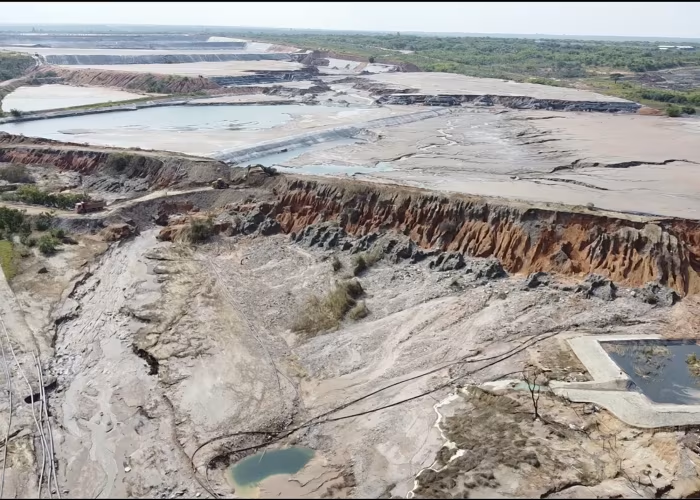
Victims of the massive toxic spill at a Chinese-owned copper mine in Zambia say they are coerced into secrecy even as environmental damage mounts.
Zambia |Tuesday, October 28, 2025
In the early hours of February 18, 2025, a tailings dam at the Chinese-owned Sino‑Metals Leach Zambia copper mine collapsed, releasing waste laden with cyanide, arsenic and other contaminants into the tributaries of the Kafue River — a water source for more than 12 million Zambians. What has followed is not only a mounting ecological nightmare, but also a rising tide of allegations that the parent company China Nonferrous Metal Mining Group and the Zambian authorities are conspiring to silence victims and suppress public scrutiny.
For villagers like 48-year-old Bathsheba Musole, whose farm lies in the flood path of the dam burst, the damage has been immediate and brutal. “My maize fields are ruined, fish are dead, my children’s water is compromised,” she says. Yet when offered a settlement of just US $150 and a promise to accept monthly sacks of cornmeal, she was also required to sign a non-disclosure agreement—under threat of losing even that small compensation.
A disaster of huge scale
Investigations and media reports estimate that the wastewater volume released ranged from 50 million litres to as much as 1.5 million tons of mine-tailings and toxic sludge. The spill devastated ecosystems: fish kills choked waterways, crops collapsed and ground water contamination loomed — primarily in the Copperbelt Province, a region reliant on mining exports and Chinese investment.
Officials from Sino-Metals Leach Zambia initially claimed the release was minor, blaming “heavy rainfall and vandalism of the membrane” rather than structural failure. Meanwhile, local engineers say the damage extends across at least 100 km of riverbed, threatening livelihoods of thousands.
Silencing the victims
What sets this story apart is the mounting evidence that the company and local authorities are actively suppressing the voices of affected residents. Lawyers representing plaintiffs say that door-to-door visits by company officials pressured villagers to sign agreements, refusing to show the full terms until after signature.
In the village of Kalusale, residents claim police visited couples taking photos of the polluted river and warned them to stop speaking to journalists. Several environmental activists and reporters were reportedly arrested for “being idle and disorderly.”
One plaintiff, Ponde Chulu, says: “I am already a victim of pollution, but I also have to stay in hiding to avoid arrest.” He estimates his family has spent six months in and out of hospital with skin rashes and respiratory problems.
Why China-linked mining enters a diplomatic test
China is Zambia’s major infrastructure and mining partner, with billions pledged in investment and major copper assets under its control. That dynamic creates a tension: Zambia needs investment, but the political and environmental costs are mounting.
The spill has become a litmus test of China’s overseas mining record. Analysts say Beijing’s leverage over Lusaka means calls for accountability may be muted, especially given Zambia’s outstanding debt to Chinese state-owned banks.
Legal and remediation challenges
Victims and environmental organisations have filed a lawsuit seeking hundreds of millions of dollars in compensation, alleging gross negligence by Sino-Metals and complicity by Zambian regulators. The cleanup plan remains opaque, with local engineers saying that neutralising the acids and restoring the river system could take years, if not decades.
China’s state-owned parent company insists that remedial efforts are under way, and that assessments “show no significant long-term impact” — a claim widely disputed by local experts and international observers.
The human toll
The disaster has disrupted water supplies to major cities: the city of Kitwe (population ~700,000) had its water supply cut off after the spill. Farmers along the banks have seen entire harvests fail and fish sales vanish. Health clinics are reporting increases in dermatological and respiratory cases among downstream populations.
But many victims say they’re unable to speak out — for fear of losing minimal compensation, facing intimidation or being labeled trouble-makers in a state where mining jobs and contracts drive local economies.
Broader implications
This case highlights two global issues: the environmental cost of mining driven by global demand for copper and other strategic minerals, and the governance risk when state-owned firms from one country operate in another with weak regulatory oversight. China’s Belt & Road investments and overseas extractive operations are increasingly under scrutiny — not just for their economic footprint but for the social and environmental liabilities they bring.
What happens next
For the Zambian government, the spill poses a dilemma: act tough and risk Chinese investment, or appear pliant and undermine citizens’ rights. The plaintiffs are pushing for transparency, independent auditing and binding compensation terms. The mining company, meanwhile, must navigate rising reputational risk, potentially tightened regulation and international pressure.
The next six to 12 months will be critical: whether the cleanup gets meaningful funding and oversight, whether victims gain real voice rather than forced silence, and whether the regulatory framework in Zambia evolves to hold foreign operations accountable.
Source:


